A journal
Art therapy, gently understood.
Notes from our practice — what we do, what we don't claim, and why creativity holds space for things that words cannot yet reach.
On why creativity matters
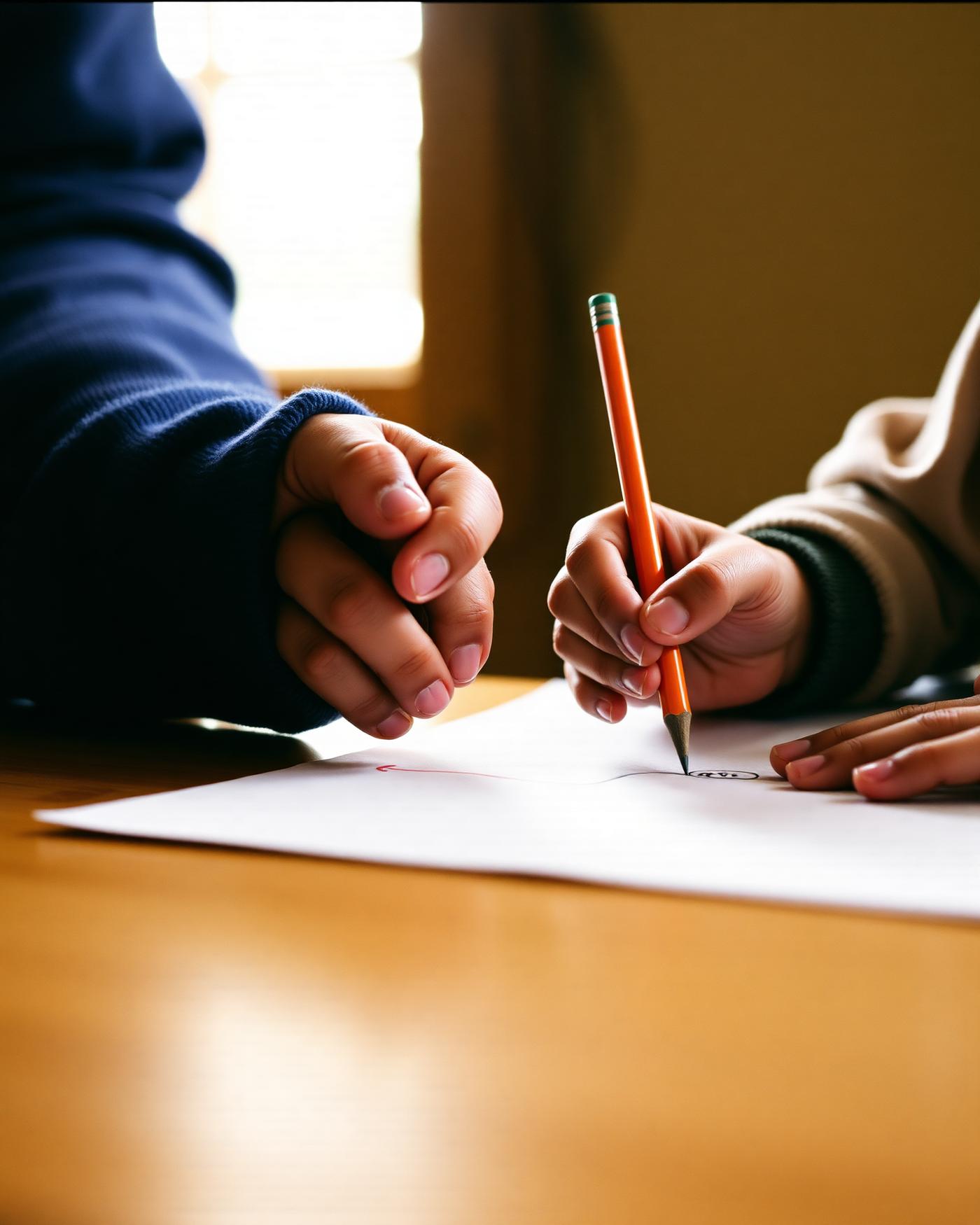
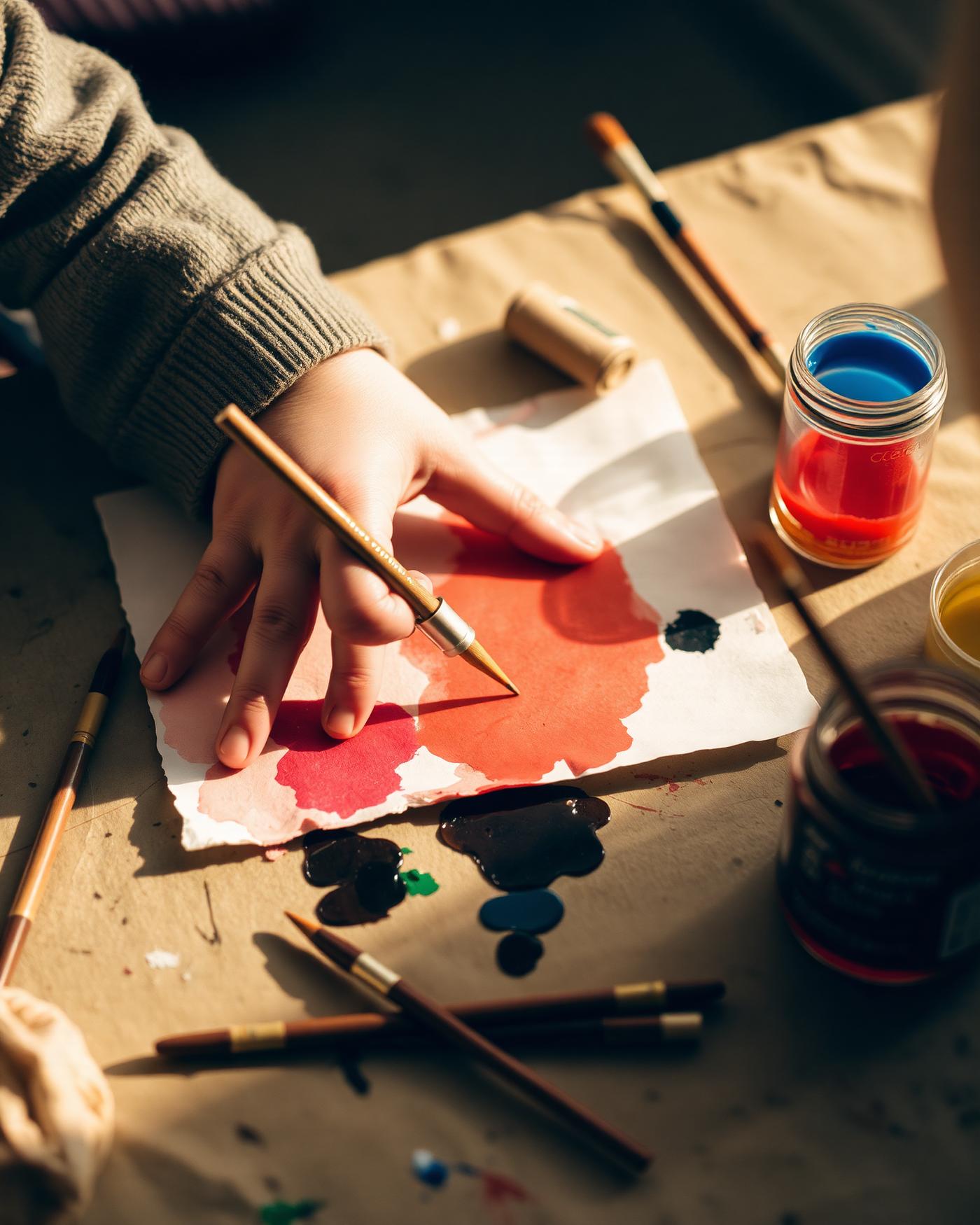
There is a moment, after a child picks up a brush, when something settles. The shoulders drop. The breath changes. It is not magic — it is permission. Permission to make something without needing it to be right.
On emotional expression
We are not trained therapists, and we are careful about what we claim. What we offer is something simpler: an invitation. To draw what cannot yet be said. To use red when grey was expected. To leave the page blank, if blank is honest.
On safe learning environments
A safe room is not a quiet one. It is one where mistakes do not cost anything, where curiosity is not corrected, and where the adults in the room remember what it felt like to be small.
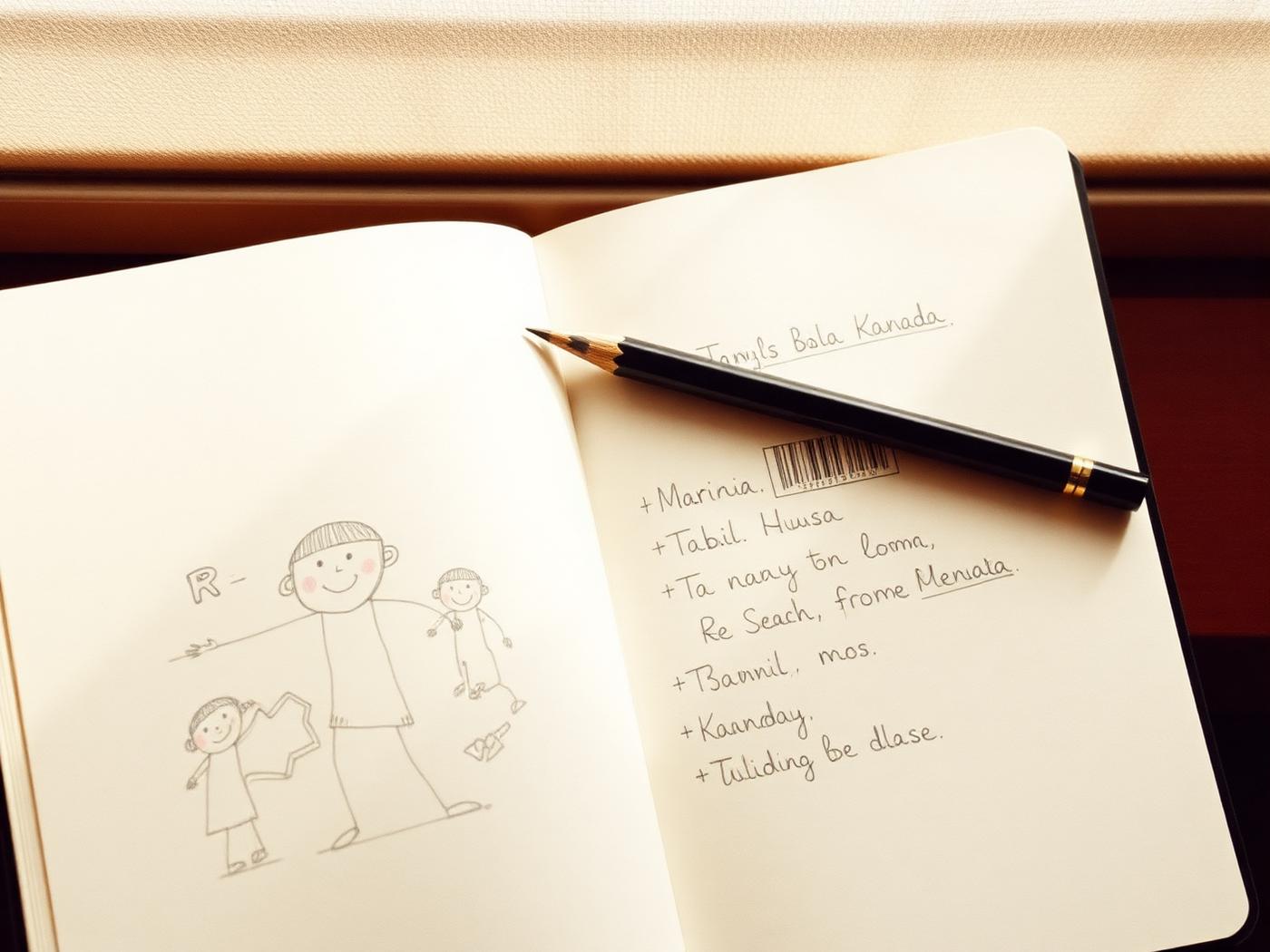
"Hand them the pencil. Wait. Believe what they draw."
— A note to volunteers
On guided activities
Our sessions are loose by design. There is a prompt, a few materials, and a long stretch of time. We try not to teach. We try to notice.
On volunteer facilitation
Our volunteers are mostly students. They are gentle, attentive, and willing to be uncertain. We train them in the only thing we know how to: how to be still.
On reflection
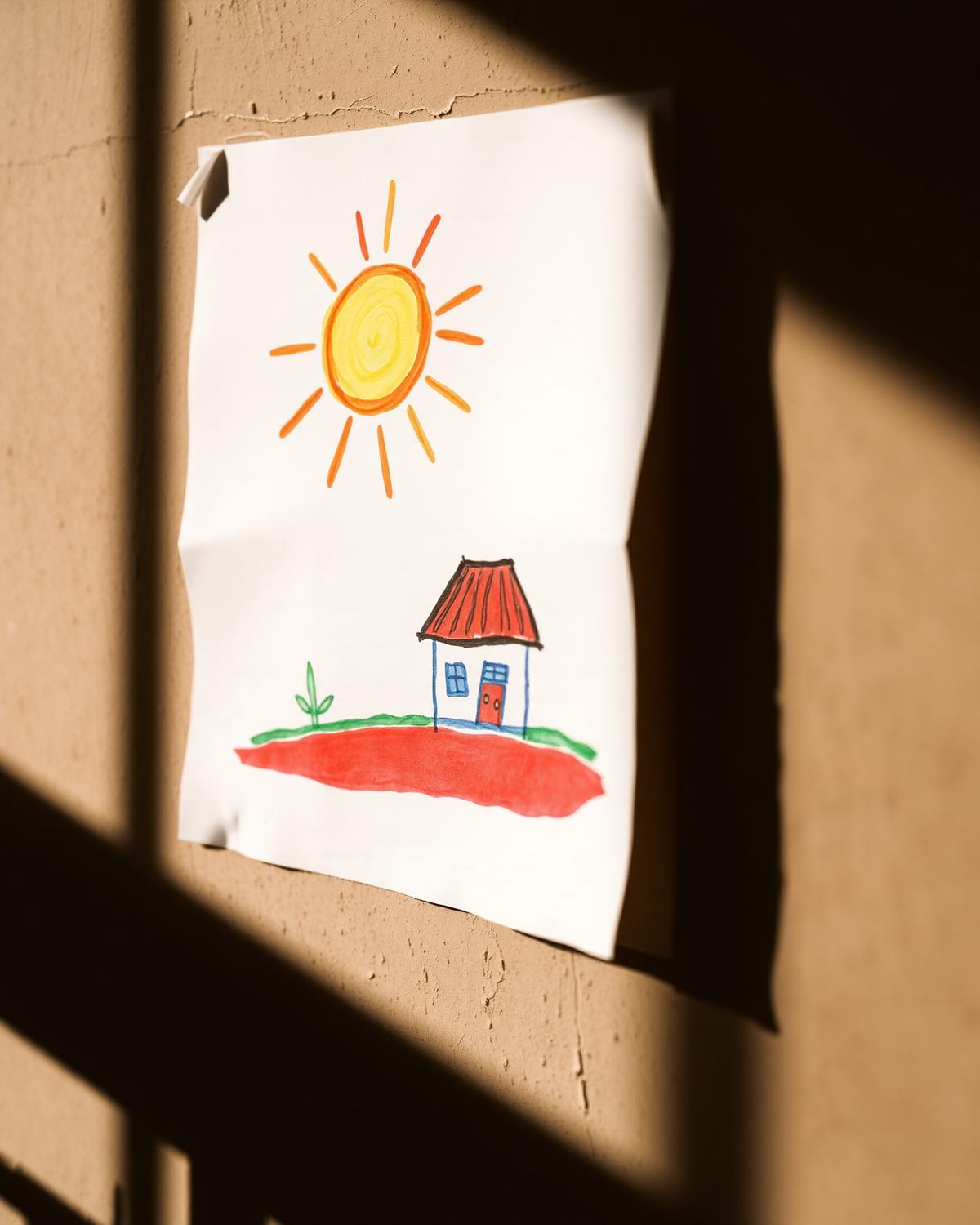
After a session, we sit and write down what we saw. Not what we did. What we saw. The drawings stay with the children. The questions stay with us.
On growth
Growth through art is not linear. A child who painted vividly last month may want only pencil today. We do not interpret this. We simply hand them the pencil.